 Ahmad Raza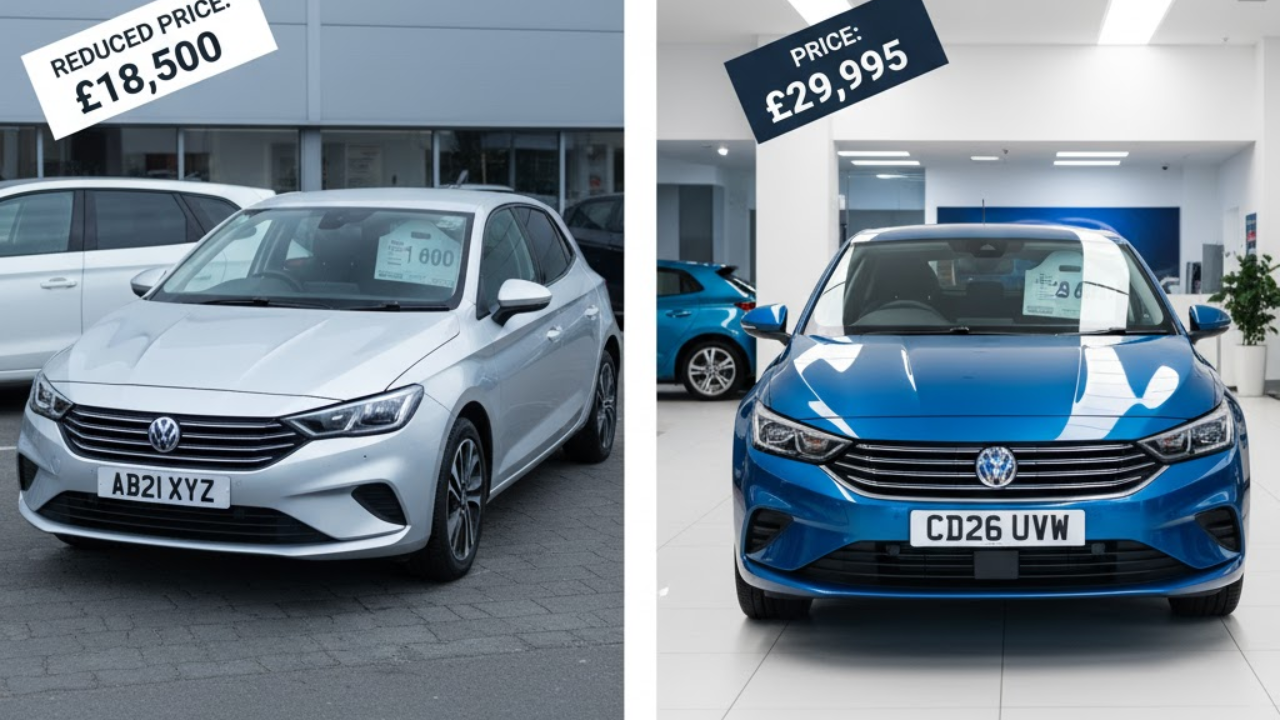
Buying a car is indeed a significant financial decision that most drivers make in the United Kingdom. After housing, it is considered as the second-largest decision to make. But as prices and technologies evolve, the big question remains: is it smarter to buy a used car or a new one in 2026? Whether you’re browsing dealerships in London or scrolling through online marketplaces, understanding car value comparison, depreciation, and overall running costs can save you thousands of pounds in the long run. Let’s dive into what really gives you the best value, a used vs new car in the UK.
The Current Car Market in 2026
We can see a dramatic change in the UK market in recent years, like an increase in production cost, high interest rates and a shift towards hybrid and electric vehicles. According to industry estimates, the average new car cost in 2026 can be around £34,000, while the average used car can cost nearly 40% less. This gap makes the used market more attractive than ever, but the benefits of new cars can still be tempting if you prioritise warranty and innovation.
The Case for Buying a New Car
1. Latest Technology and Safety
New cars are equipped with the latest safety features, such as lane assist, adaptive cruise control, and automatic emergency braking. For tech-savvy drivers, modern infotainment systems and app connectivity can make a big difference in daily convenience.
2. Warranty and Reliability
One of the biggest advantages of buying new is the manufacturer’s warranty, which typically covers the car for 3–5 years. That means fewer unexpected repair bills and more peace of mind during ownership.
3. Flexible Finance Options
Most UK dealerships offer competitive finance or lease deals for new cars, sometimes with zero-percent interest. This makes high-end models more accessible, even if the upfront price is steep.
4. Environmental Efficiency
Newer engines are cleaner, more fuel-efficient, and meet the latest emissions standards — especially relevant if you drive in London’s Ultra Low Emission Zone (ULEZ).
Drawbacks of a New Car
Despite the perks, buying new isn’t all sunshine and showroom shine.
- Rapid Depreciation: The moment you drive off the forecourt, your car loses around 20–30% of its value in the first year. That’s a huge financial hit.
- Higher Insurance Costs: Insurers often charge more to cover newer vehicles because repairs and parts are pricier.
- Hidden Fees: Delivery, registration, and optional extras can quickly inflate the “sticker price” of your car.
For most buyers focused on value for money, this immediate depreciation makes new cars a less practical choice.
The Case for Buying a Used Car
1. Lower Purchase Price
Buying a used car in the UK, especially in cities like London, can save you thousands upfront. You’re essentially letting someone else absorb that first big depreciation hit.
For example, a car that costs £30,000 new might sell for around £20,000 just two years later, with most of the same features and performance.
2. Slower Depreciation
Used cars have already gone through the steepest part of the depreciation curve. Their value still drops over time, but much more gradually, making them a smarter investment if you plan to sell again in a few years.
3. More Car for Your Money
For the same budget, you could buy a higher-trim used car, maybe with leather seats, upgraded tech, and premium features, instead of settling for a base-model new one.
4. Certified Used Options
Many dealerships now offer approved used or certified pre-owned cars that come with inspections, warranties, and financing options. This gives you much of the reassurance of buying new, without the price tag.
Drawbacks of a Used Car
Used cars aren’t without risks.
- Unknown History: Unless you buy from a reputable source, there’s always a chance of hidden damage or clocked mileage. Always run an HPI check before purchase.
- Shorter or No Warranty: Depending on age, some used cars may be out of warranty, leaving you responsible for repairs.
- Maintenance Costs: Older vehicles, even well-maintained ones, tend to need more frequent servicing.
Still, with proper research and inspection, you can minimise these risks and get a fantastic deal.
Car Value Comparison: Used vs New
Here’s how new and used cars stack up when comparing true value:
Factor | New Car | Used Car |
| Purchase Price | High | 30–50% lower |
| Depreciation | Very High (20–30% first year) | Much Slower |
| Maintenance Cost | Low initially | Moderate/High |
| Warranty Coverage | Full | Limited or Expired |
| Insurance | Higher | Lower |
| Financing | Easier, low-interest | Limited |
| Peace of Mind | Excellent | Depends on the condition |
From a purely financial standpoint, used cars usually win on long-term value. However, for buyers who prioritise technology, efficiency, or warranty coverage, a new car may still make sense.
Final Verdict: Which Is a Better Value in 2026?
So, used vs new car, which is a better value in the UK? If you’re focused on affordability, slower depreciation, and getting more features for your money, a used car is the clear winner in 2026. The UK used car market is mature, transparent, and offers plenty of reliable options with low mileage. However, suppose you prefer the latest technology, a full warranty, and hassle-free ownership. In that case, a new car might still justify its premium cost, especially if you plan to keep it long-term. The best strategy? Do a car value comparison, check depreciation rates, and calculate total ownership cost, not just the price tag. Whether you buy used or new in 2026, the smartest choice is the one that keeps your finances and lifestyle in balance.
Share this post