 Ahmad Raza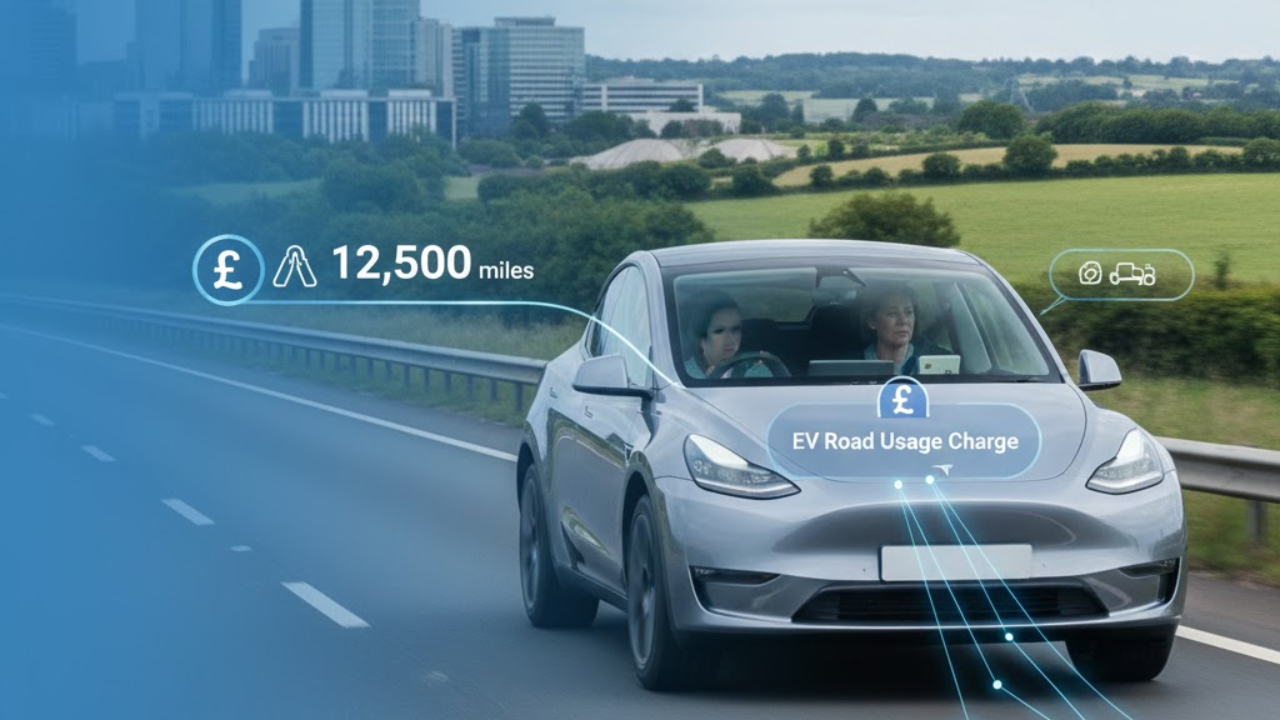
Electric vehicles were once seen as a low-cost, tax-friendly alternative to petrol and diesel cars. However, with EV adoption rising rapidly, the UK government is rethinking how road usage is funded. One of the most discussed changes is the introduction of an EV mileage tax, which could reshape how electric vehicle owners calculate the true cost of driving.
Why the UK Is Moving Toward Mileage-Based Taxation?
Fuel duty has traditionally funded road maintenance in the UK. As electric vehicles replace petrol and diesel cars, this revenue has dropped significantly. While EVs are cleaner, they still place the same demands on road infrastructure.
The proposed EV mileage tax addresses this gap by linking road contributions to actual usage rather than fuel consumption, creating a fairer system for all drivers.
How the EV Mileage Tax Compares to Current UK EV Costs
To better understand the impact, it helps to compare the existing system with the proposed mileage-based approach.
Cost Factor | Current EV System | With EV Mileage Tax |
| Road Usage Charges | Mostly exempt or minimal | Based on miles driven |
| Fuel Duty Equivalent | £0 for EVs | Replaced by a mileage-based charge |
| UK Electric Car Tax | Limited but increasing | Usage-focused taxation |
| Driving Behaviour Impact | No incentive to reduce mileage | Encourages efficient travel |
| Overall Cost Control | Charging-cost dependent | Mileage + charging costs |
This shift aligns road funding more closely with how much a vehicle is actually used, rather than how it is powered.
Who Will Be Most Affected?
Not all drivers will experience the same impact.
- High-mileage drivers may see a noticeable increase in annual costs.
- City drivers who make short, infrequent journeys could see little change.
- Rural drivers may feel the impact more due to longer travel distances.
When combined with other EV charges UK, such as congestion fees and public charging rates, mileage-based taxation becomes an important factor in ownership planning.
How This Fits With Other EV Charges in the UK
Electric vehicle drivers already navigate a mix of costs. Public charging prices vary, congestion charges apply in major cities, and tax exemptions are gradually being reduced.
The EV mileage tax doesn’t replace all costs; it adds a structured way to fund roads fairly. Over time, it may become the backbone of the UK electric car tax, especially as EV adoption becomes the norm.
Practical Ways Drivers Can Manage the Impact
Drivers can stay in control by adapting early:
- Track annual mileage carefully
- Combine journeys where possible
- Use home charging to balance overall running costs
- Stay updated on changes to EV charges UK
Small adjustments can significantly reduce the financial impact over time.
Final Thoughts
The introduction of a mileage-based system marks a new phase for electric vehicle ownership. While it may slightly increase costs for some drivers, it creates a fairer and more sustainable way to maintain UK roads. By understanding how the EV mileage tax works alongside UK electric car tax and wider EV charges UK, drivers can plan confidently and continue to enjoy the benefits of electric motoring.
FAQs
What is an EV mileage tax?
An EV mileage tax is a proposed road-use charge that would calculate tax based on how many miles an electric vehicle travels each year. Instead of paying fuel duty at the pump, EV drivers would contribute to road maintenance through distance-based charges.
Is the EV mileage tax already active in the UK?
No, the EV mileage tax is still under discussion and consultation. While some elements of UK electric car tax are already changing, mileage-based charging has not yet been fully implemented nationwide.
How will mileage be tracked?
Mileage could be recorded through annual MOT readings, vehicle data systems, or approved telematics. The aim is to keep the system accurate without being overly intrusive for drivers.
Will all EV drivers pay the same rate?
Not necessarily. Rates may vary based on factors such as annual mileage, vehicle weight, or driving location. High-mileage drivers are more likely to pay more than those who only use their EV occasionally.
How does this affect current EV benefits?
While electric vehicles still benefit from lower emissions and reduced fuel costs, some financial incentives are being phased out. The EV mileage tax is expected to replace lost fuel duty rather than remove all EV advantages.
Will this increase the total cost of owning an EV?
For some drivers, yes, especially those who travel long distances regularly. However, many drivers will still find EV ownership more affordable than petrol or diesel when charging savings are considered alongside EV charges UK.
Does the mileage tax replace other EV charges?
No. The mileage tax would work alongside existing costs such as charging fees, congestion charges, and evolving UK electric car tax policies, rather than replacing them entirely.
Could this discourage people from buying electric cars?
While some drivers may hesitate, EVs remain cheaper to run for many users and offer clear environmental benefits. The goal is long-term fairness, not discouragement.
How can drivers prepare for an EV mileage tax?
Drivers can prepare by tracking annual mileage, planning journeys efficiently, and staying informed about upcoming changes to EV charges UK and road tax rules.
Share this post