 Ahmad Raza
The landscape of car buying in the UK is undergoing its most significant transformation in over a century. This shift is driven not only by consumer trends but by sweeping UK car policies aimed at reducing emissions, improving air quality, and accelerating the transition to electric mobility.
Understanding modern government EV rules and evolving car buying regulations UK is now essential for making a cost-effective and future-proof vehicle decision.
The Core Driver: The 2035 Zero-Emission Mandate
The cornerstone of UK automotive reform is the Zero-Emission Vehicle (ZEV) Mandate, introduced in January 2024. It requires manufacturers to ensure a rising percentage of new car sales are zero-emission vehicles (battery electric or hydrogen).
| Year | Required ZEV Sales Percentage |
|---|---|
| 2026 | 33% |
| 2030 | 80% |
| 2035 | 100% |
Manufacturers earn credits for each ZEV sold. Failure to meet quotas results in fines of £15,000 per non-compliant vehicle, making this one of the strongest UK car policies ever introduced.
Financial Incentives and Disincentives Shaping Buyer Behaviour
Benefit-in-Kind (BIK) Tax
Electric company cars benefit from ultra-low BIK tax rates (currently 2%), encouraging businesses to transition to EV fleets.
Vehicle Excise Duty (VED) Changes
From April 2025, EVs will pay Vehicle Excise Duty. Electric cars priced above £40,000 will also face the Expensive Car Supplement.
Grants and Subsidies
Although the plug-in car grant ended in 2022, support remains for electric vans, taxis, and motorcycles.
The Growing Influence of Clean Air Zones and ULEZ
Local car buying regulations UK such as Clean Air Zones (CAZs) and London’s Ultra Low Emission Zone (ULEZ) significantly affect purchasing decisions.
| Vehicle Type | Compliance Status | Potential Daily Charge |
|---|---|---|
| Petrol (Pre-2006) | Usually Non-Compliant | £12.50+ |
| Diesel (Pre-2015) | Usually Non-Compliant | £12.50+ |
| Euro 6 Diesel / Euro 4 Petrol | Generally Compliant | £0 |
These zones have accelerated depreciation of older vehicles while boosting demand for compliant used cars.
How UK Car Policies Are Reshaping the Buyer’s Journey
Research & Vehicle Choice
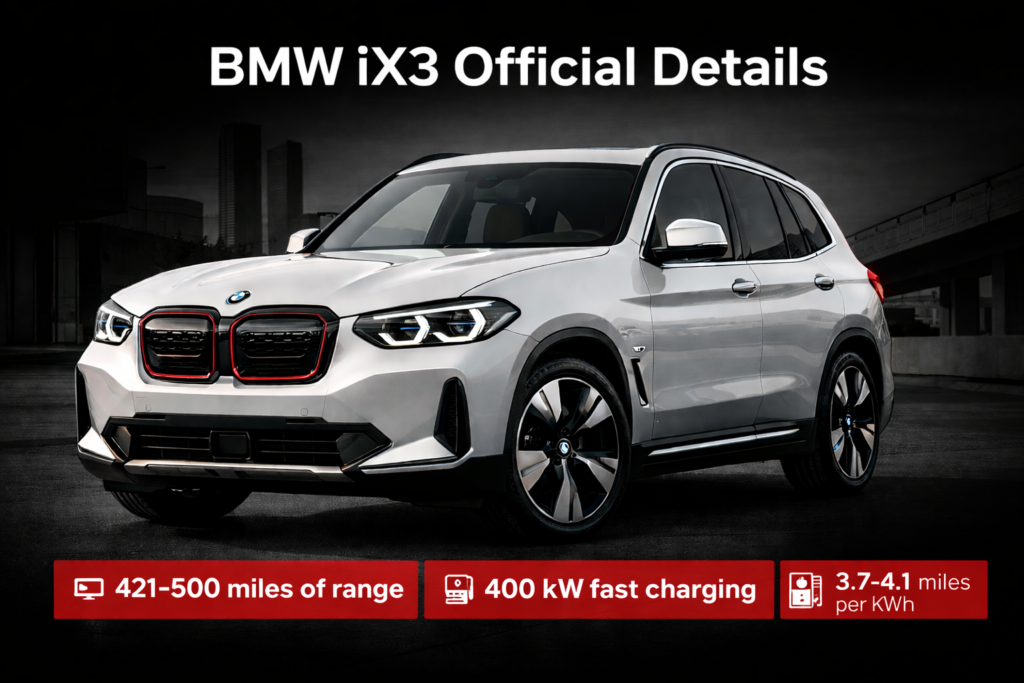
Buyers now compare battery range, charging speed, and home charging costs alongside traditional factors.
Total Cost of Ownership (TCO)
Although EVs may cost more upfront, lower fuel, tax, and servicing costs can reduce overall Total Cost of Ownership (TCO) within 3–4 years.
The Used EV Market
An increase in ex-fleet EVs has improved affordability. Battery health reports are now critical in used car checks.
Charging Infrastructure
Government support such as the EV Chargepoint Grant for flats and rental properties is helping expand access to charging solutions.
The Road Ahead: Challenges and Opportunities
- Used EV confidence and standardised battery health reporting
- Expansion of rural charging infrastructure
- Battery recycling and sustainable vehicle production
For informed buyers, these policy shifts present opportunities to secure better long-term value and future-proof investments.
Conclusion
Modern UK car policies directly influence availability, taxation, resale value, and running costs. Understanding government EV rules and compliance requirements allows buyers to avoid penalties and maximise savings.
The key takeaway: evaluate total cost of ownership, zone compliance, and long-term resale value before purchasing.
FAQs
Can I still buy a petrol or diesel car in 2026?
Yes. The 2035 mandate applies to new sales targets, not immediate bans.
Is it a good time to buy a used petrol car?
Modern compliant petrol and diesel vehicles remain practical options, but older non-compliant models risk daily charges.
Are hybrids still a good choice?
Plug-in hybrids offer a transitional solution, especially without home charging access.
Do Clean Air Zones affect drivers outside cities?
Only if you enter those zones — but expansion is ongoing.
Drive Smart with Trade LMS!
Compare, choose, and finance your next petrol, hybrid, or EV with a personalised quote in minutes.
Share this post