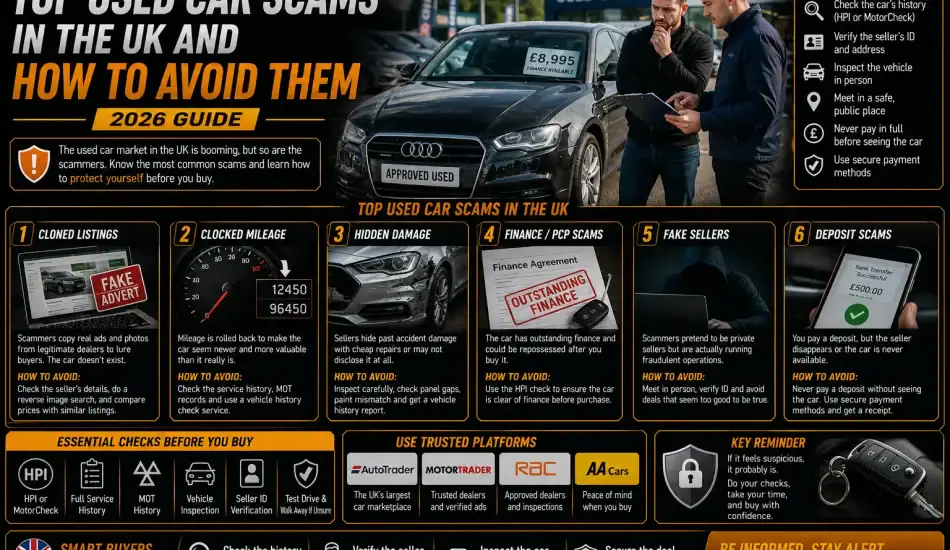

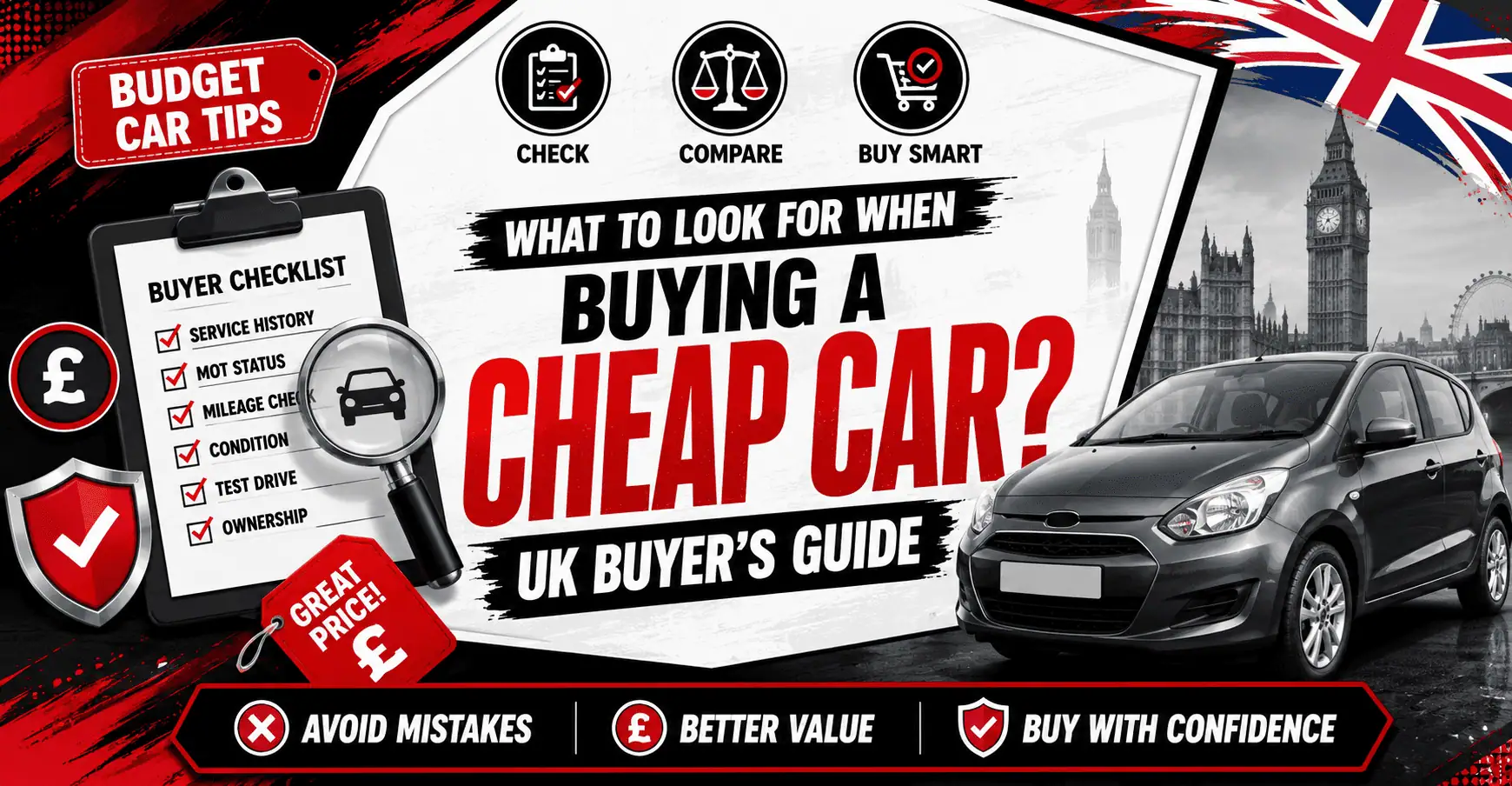
Buying a cheap car can either save you money or cost you a fortune. A car with a too-low price often means hidden problems. This guide covers eight things to check before you buy. You will learn about rust, tyres, engines, gearboxes, interiors, paperwork, insurance, and test drives. You will also get a quick checklist and answers to common questions. Use this affordable used car checklist to avoid costly mistakes.
Why “Cheap” Can Be Expensive
A cheap car may need frequent repairs. The owner may have skipped services or may have used cheap parts. Always look beyond the price tag. A £1,000 car can cost £2,000 in repairs. A £2,000 car might run for years. Do your homework first.
Step 1: Check for Rust and Body Damage
Rust spreads fast and costs a lot to fix. Check these areas carefully:
- Wheel arches
- Door bottoms
- Sills
- Paint bubbles (sign of rust underneath)
Also look for different paint shades. That could mean crash repairs. A budget used cars UK buyer should never ignore rust.
Step 2: Look at the Tyres
Cheap tyres mean the owner cut corners. Check the brand name on each tyre. Mismatched brands are a bad sign. They can signal misalignment or suspension issues. The legal tread depth is 1.6mm. Check it by using a 20p coin. Otherwise, it can cost £200 or more to replace all 4 tyres.
Step 3: Check the Engine and Fluids
Look for oil leaks under the car. Check the coolant colour. Pink, blue, and green coolant colours are considered good. Brown coolant means rust inside the system. Start the engine from cold. Listen for knocks or rattles. A noisy engine is a big red flag. These are key checks for low-cost cars to buy.
Step 4: Test the Gearbox and Clutch
For manual cars, test the clutch. It should not slip or grab. Change gears at different speeds. Listen for grinding noises. In the case of automatic cars, gear changes should be smooth. A bad gearbox can cost over £1,000 to fix. Walk away if the gears feel rough.
Step 5: Check the Interior and Electronics
Press every button inside the car. Test these items:
- Windows
- Locks
- Lights
- Air conditioning
Look for damp smells. That could mean water leaks. Check the seatbelts carefully for any damage. A cheap car can still have working electronics.
Step 6: Verify the Paperwork
The V5C logbook must match the seller’s name and address. Check the MOT history online from the UK govt. website. Look for repeated failures or advisories. Service history shows how the car was cared for. Missing paperwork is a major risk. You should never miss this affordable used car checklist, as it includes document checks.
Step 7: Check Insurance and Tax Costs
Some cheap cars have very high insurance groups. Check the group number before you buy. A £1,000 car could cost £1,500 to insure. Also check the tax band. Some older cars have high tax rates. Look for cheap cars with low insurance to save money.
Step 8: Take a Test Drive
Drive over speed bumps. Listen for suspension clunks. Also check these things:
- Brake firmly. The car should stop straight.
- On a quiet road, let go of the wheel. It should track straight.
- Any shaking or pulling means problems.
A test drive is the final step before you buy. This is crucial for the best cheap cars for first-time buyers.
Quick Checklist to Check Before Buying
| Check Area | What to Look For |
|---|---|
| Rust | Wheel arches, door bottoms, sills |
| Tyres | Even wear, good tread, same brand |
| Engine | No leaks, clean fluids, no knocks |
| Gearbox | Smooth changes, no grinding |
| Interior | Dry, all buttons work, seatbelts good |
| Paperwork | V5C, MOT history, service stamps |
| Insurance | Check the group before you buy |
| Test Drive | Clunks, pulls, shakes, smokes |
What to Avoid
Avoid these common traps when buying a cheap car:
- Cars with missing service history
- Cars that failed the MOT due to the same issue
- Cars with warning lights on the dash
- Cars with cheap, mismatched tyres
A cheap car is not worth the trouble if it has major problems.
Conclusion
Buying a cheap car does not have to be a gamble. Check for rust and body damage. Inspect the tyres and engine. Test the gearbox and electronics. Verify all paperwork. Check insurance and tax costs. Take a proper test drive. A little time spent checking can save you thousands. Drive away with confidence, not regrets.
FAQs
What is the best cheap car to buy in the UK?
The Ford Fiesta and Kia Rio are great cheap cars. They are cheap and more reliable. Use a budget used cars UK guide to find more options.
How much can I spend on a cheap used car?
Spend between £1,500 and £3,000 on a reliable, cheap car. Cars under £1,000 often need costly repairs. A cheap second-hand car budget should include repair costs.
Are cheap cars expensive to insure?
Some cheap cars have high insurance groups. Always check the group number before you buy. Look for cheap cars with low insurance to save money.
What mileage is acceptable on a cheap car?
Under 100,000 miles is good for a cheap car. Service history is more important than the mileage number. A low-cost car to buy can still have high mileage if well cared for.
What is the most important thing to check on a cheap car?
Service history is the most important thing. A car with a full history is safer than one without. Use an affordable used car checklist to verify everything.
What are the most common problems with cheap cars?
Rust, worn tyres, oil leaks, and clutch problems are common. Bad paperwork and high insurance costs also happen. The best cheap cars for first-time buyers avoid these issues.
How can I tell if a cheap car has been in a crash?
Look for different paint shades on the body panels. Check for uneven gaps between doors and panels. These signs mean the car may have had crash repairs.
Is a cheap car worth buying for a first-time driver?
Yes, a cheap car is great for first-time drivers. Look for low insurance groups and cheap parts. A reliable budget cars UK guide can help you choose wisely.
What should I do if the seller has no service history?
Walk away or use the missing history to lower the price. A car with no history is a big risk. Service history is a key part of buying a cheap car safely.
Are high-mileage cheap cars always a bad buy?
No, a high-mileage car can be fine if it has a full service history. Motorway miles are gentler than city miles. Always check the service records before you buy.